An Inside Look at RG&E’s Energy Storage Projects

Share

At NYSEG and RG&E, we want to be a utility leader in developing and integrating beneficial energy storage. Our innovative energy storage pilots and demonstrations are helping us achieve this vision by testing and proving the capabilities of energy storage and identifying key benefits for our customers and the electric grid.
Energy storage is a diverse resource that can help solve a variety of grid challenges. We recently kicked off an Energy Storage Blog Series to help our customers understand the technology and the important role it will play in the grid of the future. If you haven’t read the series’ first blog which introduces energy storage, we recommend you read that first.
In this blog, we’ll dive into two of our recent battery storage pilots and demonstrations located within RG&E’s service area. These projects will allow us to continue embracing energy storage to solve grid of the future challenges and continue providing reliable, safe service to our customers.
Integrated Electric Vehicle (EV) Charging & Battery Storage System, Rochester NY
The transportation sector is becoming more electric every day. This results in a large increase in electrical demand from customers charging their EVs, especially with businesses that have large fleets, such as the city transit system or a delivery company. This pilot project aims to help us better understand the challenges created from the large demand while charging multiple EVs and how energy storage can offset this large electric demand.
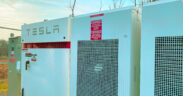
We strategically placed this project at RG&E’s Scottsville Road Operations Center as this location will allow us to simulate large EV fleet usage. The project installed a 150 kW / 600 kWh energy storage system, two DC fast chargers and five level-two chargers at the RG&E site.
This project is part of our efforts to support New York’s Reforming the Energy Vision (REV), which is the state’s initiative to build a clean, resilient and affordable energy system for all New Yorkers. We’re currently collecting data to learn more about how to improve the interaction between energy storage and EVs.
Peak Shaving Pilot Project, Farmington NY
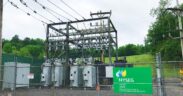
Periods of high-energy demand, like hot summer days when air conditioners are running on high, can place an extreme amount of stress on the electric grid. During these times, implementing peak shaving tactics can help to manage the energy demand. This pilot project studies the potential of using energy storage as a peak shaving tactic at the substation level instead of upgrading infrastructure to manage times of high-energy demand.
The project installed a 2.2 MW / 8.8 MWh battery storage system at the site of an existing RG&E substation in Farmington.
This pilot project began in late 2018 and is ongoing. We’re continuing to collect data to learn more about the benefits of energy storage at the substation level.
Overall, energy storage provides many new avenues for us to explore. In addition to these two RG&E projects, we’re also conducting two battery storage pilots and demonstrations within NYSEG’s service area to test capabilities—read more about them here on our blog. All of these projects and demonstrations are helping us to not only discover, but also demonstrate which use of energy storage will be most beneficial for our customers.
Up next in our Energy Storage Blog Series, we’ll take a closer look at our newest energy storage project which recently launched and is evaluating the ability of energy storage to back-up a substation during a power outage.