NYSEG and RG&E Launch Innovative Energy Storage Project to Back-up a Substation

Share
Earlier this year, we started an Energy Storage Blog Series to help our customers understand the technology and the important role it will play in the grid of the future. Energy Storage is a diverse resource that can help solve a variety of grid challenges. At NYSEG and RG&E, we’re embracing it and exploring the many benefits it can bring to the grid and our customers.
Through our Energy Storage Blog Series, we’ve offered an introduction to energy storage and its benefits as well as an inside look at the innovative battery storage pilots and demonstrations taking place in the NYSEG and RG&E’s service areas. To wrap up the series, today we’ll explore our newest energy storage project, the Java Microgrid Project, which is one of the first of its kind to launch in New York State.
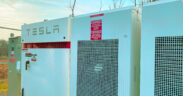
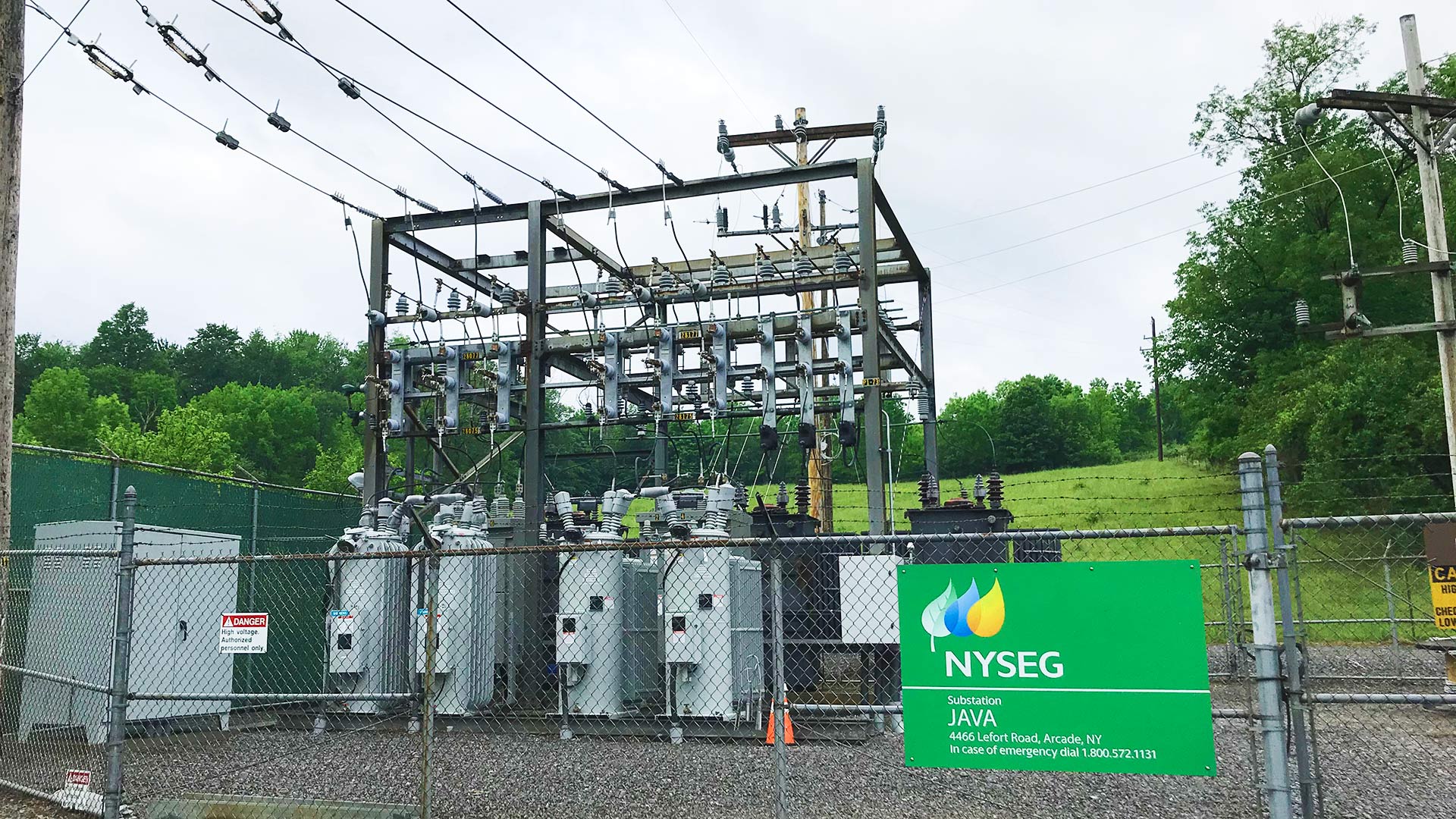
The Java Microgrid Project is implementing energy storage as an innovative solution to back-up a substation during a power outage caused by a failure at the substation or with the transmission line that feeds it. This is called a microgrid solution because the energy storage system will provide backup energy to all Java substation customers while disconnected from the grid. The project will take place at an existing substation in Java, NY, which is located within NYSEG’s Lancaster division.
How the Java Project Came to Be
A key part of providing safe and reliable service to our customers is continual evaluation of investments in our system. One thing we evaluate is redundancy on our system—in other words, if the power supply is unable to come from one source, there is another source that can temporarily supply power while repairs are made. This is critical to maintaining reliable power to our customers. The substation in Java, NY was identified for upgrades because it has a single transformer and a single transmission line therefore lacks redundancy should an outage occur.
“Currently, if there was a lengthy power outage caused by a failure of the transformer bank, we’d bring in a mobile substation to restore power to our customers while repairs where being made,” said Jim Mader, Manager Smart Grids Innovation and Planning. “However, the mobile substation would take time to be installed and during that time our customers would be left without power. The typical wires solution would be to add a second transformer bank and install another transmission line for backup. As we examined solutions to this problem, implementing energy storage was the most cost-effective solution for our customers.”
Once built and in-service, the energy storage facility will be able to provide backup capacity for up to 12 hours. This will offer time for either repairs to be made, or the mobile substation to be relocated to the substation.
Status of the Project
The Java Microgrid Project is currently in the engineering stage with the goal of having the energy storage facility in-service by the end of 2022. As the project is being designed, there are two key challenges to consider:
- Load Growth: When building the energy storage system for the Java Project, it is important to consider the size of the battery. The system not only needs to be able to handle the current energy demand, but it also needs to be large enough to accommodate an increase in energy demand from future load growth. This will make the energy storage system viable for years to come.
- Protecting the System: The electric grid is filled with coordinated protection devices. For example, if a wire is knocked down, there are devices in place that will automatically deenergize the wire to ensure the public’s safety. When designing the Java Microgrid Project, our engineers need to consider how to coordinate these protective devices when the substation is being energized from the energy storage system while the mobile substation is being relocated or repairs are being made.
As we look into the future of the electric grid, energy storage will only increase in popularity. By conducting these pilots, demonstrations and projects now, NYSEG and RG&E are proactively embracing the technology and will be ready to implement it in ways that will best serve the grid and our customers.