Powering Our Future with Energy Storage

Share
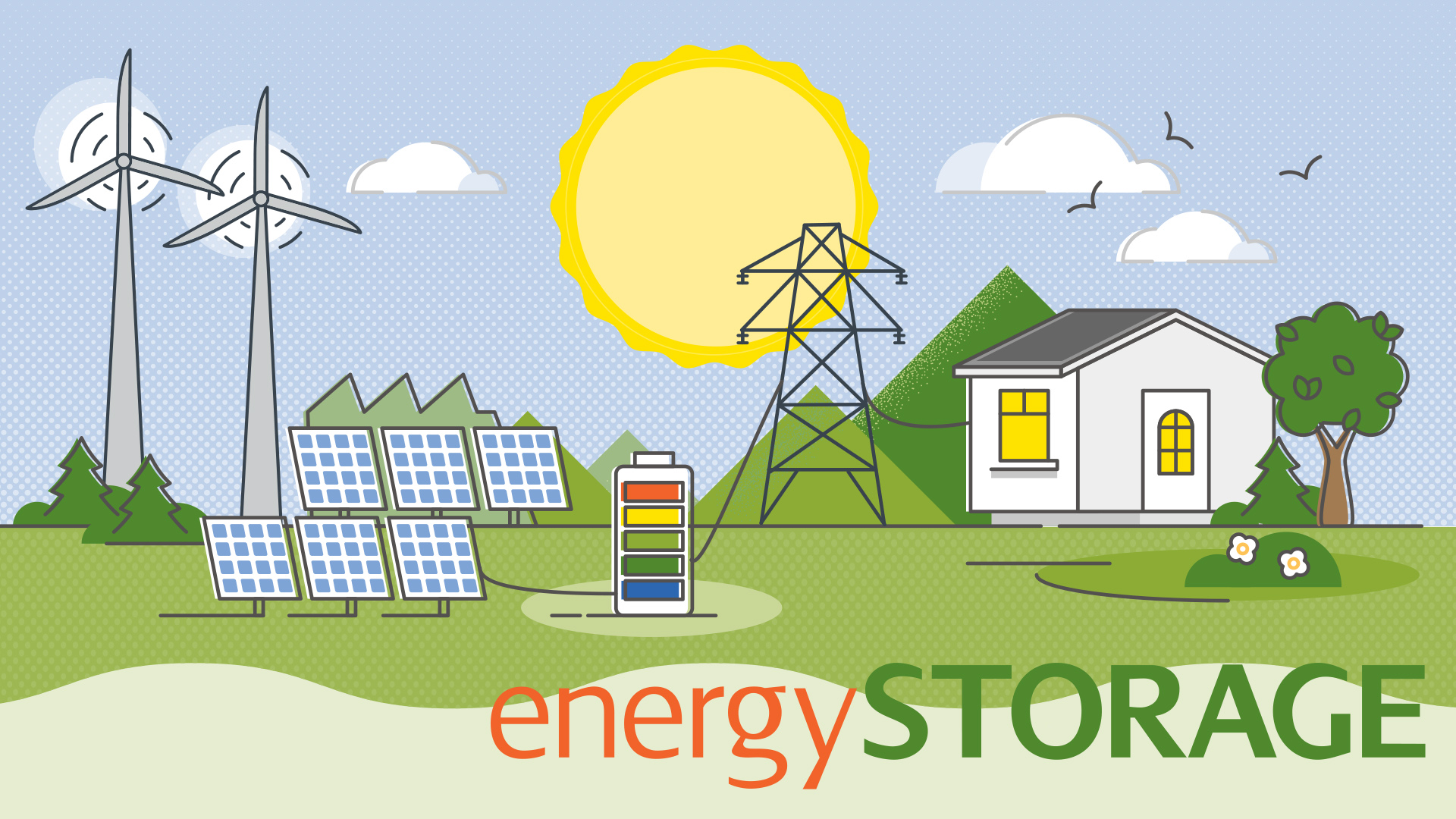
Energy storage technologies have been steadily improving and evolving in recent years and offer utilities a diverse resource that can help solve a variety of grid challenges. NYSEG and RG&E have been proactively conducting innovative pilots and demonstrations to test and prove the capabilities of energy storage and determine benefits that may be available to our customers and the electric distribution grid.
Since energy storage will play an important role in the grid of the future, we’re launching an Energy Storage Blog Series to help our customers understand the technology. This first blog will discuss what energy storage is and the benefits it brings to our customers and the electric grid.
What is energy storage?
Energy storage is a method to take electric energy, such as electricity produced at night when demand is low, and store it until a time when that energy can be used more efficiently and effectively to meet the electric power demands of our customers. Think of it like your car battery— energy is stored ready to be released when needed to start your car — and is recharged with energy when your car is running.
Using energy storage to benefit our customers
One of the exciting benefits of energy storage is that it allows renewable energy to be further integrated into the electric grid. Wind and solar generation are considered intermittent sources because they only produce power when the sun is shining, or the wind is blowing. Energy storage makes these intermittent renewable sources more effective and efficient by allowing that clean green energy to be discharged into the grid at times when needed and renewable sources aren’t actively producing power.
Additionally, energy storage can help solve these common grid challenges:
- Peak Shaving: Periods of high-energy demand, like hot summer days when air conditioners are running on high, can place an extreme amount of stress on the electric grid. Energy storage can help manage these peak times by discharging extra energy to meet the high-energy demand. Not only does this ensure we meet our customer’s energy needs, but it also extends the life of grid equipment, helping minimize costs.
- Electric Vehicle (EV) Charging: The transportation sector is becoming more electric every day. This results in a large increase in electrical demand from customers charging their EVs, especially with businesses that have large fleets, such as the city transit system or a delivery company. Energy storage can offset the large electric demand created from EV charging and ensure our system has the capacity to meet the need.
- Emergency Backup During Outages: Energy storage offers the ability to back up your home or business during power outages and offers NYSEG and RG&E resiliency opportunities to power multiple customers should a grid outage occur.
Energy storage technology will continue to evolve and become more cost-effective. At NYSEG and RG&E, we’re continuing to embrace this innovative technology to solve grid of the future challenges and continue providing reliable, safe service to our customers. Up next in our Energy Storage Blog Series, we’ll take a closer look at our innovative pilots and demonstrations taking place across our service area.