Sustainability Spotlight: Promoting Sustainable Life on Land (Part 2)

Share
In honor of the 50th anniversary of Earth Day, the Avangrid Foundation is dedicating a two-part blog series to the partners who work side by side with us to promote sustainability 365 days a year. You can read the first part of this series here.
Part 2 turns the spotlight on our partnerships to help safeguard critical species, habitats and natural resources and promote responsible global citizenship, ensuring the preservation of our planet and all that lives on it.
Check out their stories below:
SHOWCASING SUSTAINABILITY IN RESEARCH AND ART
Maine is a global leader in the forest economy. Nearly 90% of the state is forested, more than any other in the country, much of which is concentrated in Maine’s northern rural areas. According to the Maine Forest Products Council and the FOR/Maine initiative, in 2016 the state’s forest products industry contributed $8.5 billion to the state economy and supported over 33,000 jobs – or roughly 1 out of every 24 jobs in Maine.
FORESTS WORLDWIDE ACT AS EARTH’S AIR PURIFIERS, ABSORBING VAST AMOUNTS OF CARBON DIOXIDE EMITTED INTO THE ATMOSPHERE, AND PROVIDE CRITICAL HABITAT TO A RANGE OF FLORA AND FAUNA. CLIMATE CHANGE POSES A VARIETY OF THREATS TO MAINE’S FORESTS, INCLUDING SHIFTING TEMPERATURE AND PRECIPITATION PATTERNS, HEIGHTENED POTENTIAL FOR EXTREME WEATHER EVENTS, AND RISK OF PESTS AND DISEASES.
As many – particularly in these rural areas – depend on Maine’s abundant natural resources, it is critical to ensure a strong, yet sustainable economy supports equally strong communities.
The Avangrid Foundation and the University of Maine’s Center for Research on Sustainable Forests partnered up back in 2017 to advance research into climate change and its impact on resilience and livelihoods in Maine’s rural communities.
The study, conducted by University of Maine’s Dr. Sandra De Urioste-Stone and graduate student Alyssa Soucy, alongside other School of Forest Resources staff, sought to understand critical risks perceived by those who work closely with Maine’s forests; identify vulnerable areas and understand the potential impacts at both a biophysical and socioeconomic level; and designate strategies that best promote healthy forest systems in Maine.
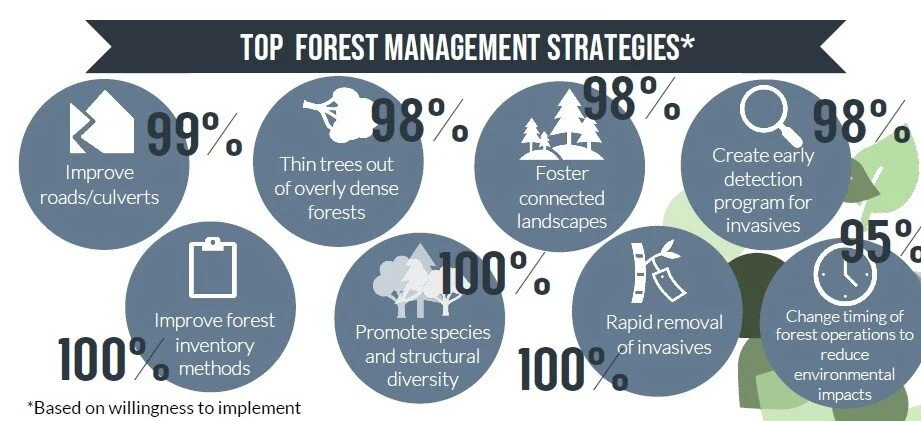
A survey of members of Maine’s Cooperative Forestry Research Unit found that…
- 64% believe climate change will have a significant impact on the forest sector within the next 50 years.
- Only 3 in 10 believe there are specific land management practices available to adapt.
- Less than 2 in 10 believe current policies consider climate change impacts.
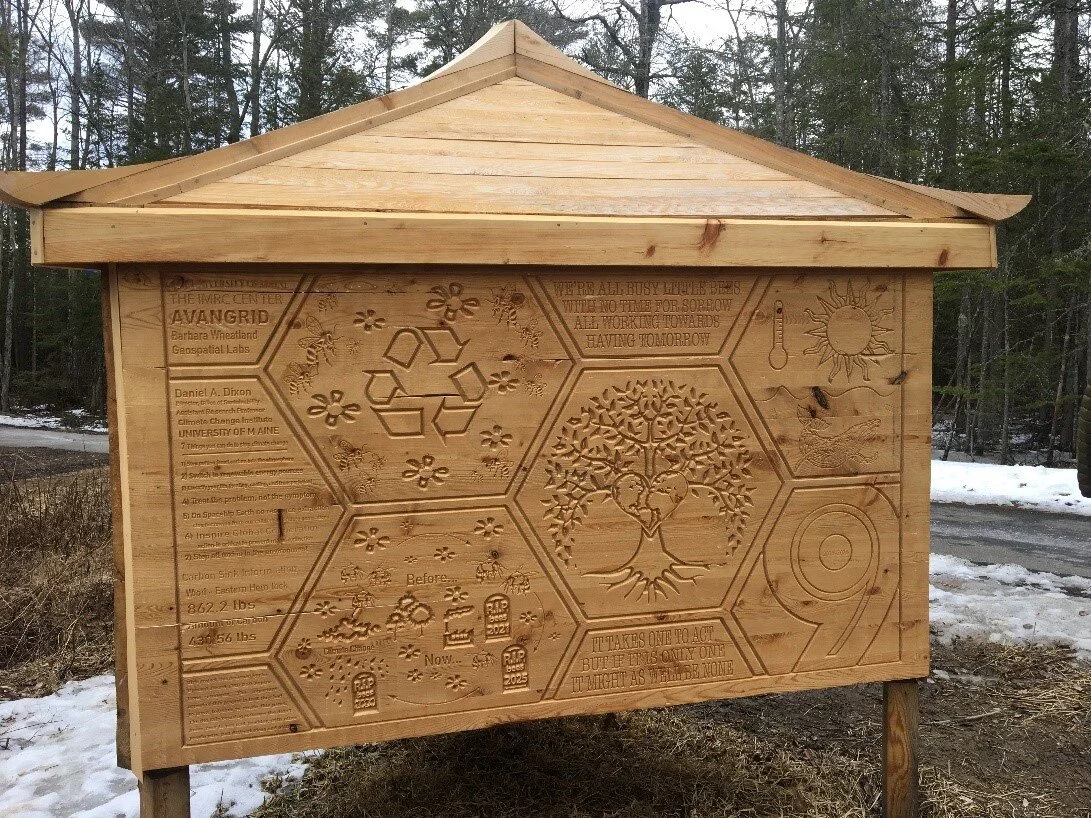
In addition, the Foundation has supported the University’s on-campus Climate Change and Carbon Sinks Sculpture Contest, beginning with its inaugural year in 2018. The competition is a starting point to spark a larger and ongoing discussion about the role Maine’s forests play in absorbing and retaining carbon dioxide, and how that process can consequently slow climate change.
The contest is open to all University of Maine at Orono undergraduate and graduate students and allows for both individual artist and team submissions. Submissions are broken into two categories: Environmental Installation (outdoor) and Wall Mounted (indoor). Students and visitors will be able to view the outdoor sculpture along the bike trail in the University Forests, while the indoor installation will be displayed in the University’s Nutting Hall. Each art piece is required to use local wood grown and harvested in state, emphasizing the ways the community benefits from both sustainable art and environmental care.
The 2018 contest concluded in December 2018, with final judging and installation taking place in spring 2019.
The winning outdoor sculpture conveys through various environmental imagery a simple but powerful message – that it takes widespread action to achieve widespread impact, and that the time to secure a better tomorrow is today. The sculpture, built from 862 pounds of Eastern Hemlock, acts as a “carbon sink” in that it absorbs more carbon than it releases, thereby reducing the concentration of CO2 in the atmosphere.
The next Climate Change and Carbon Sinks contest is being planned for Fall 2020.
SOARING TO NEW HEIGHTS FOR WILDLIFE PROTECTION
Among wildlife rehabilitation experts in the U.S., AVANGRID is becoming a household name.
In collaboration with Avangrid Renewables and the company’s Wildlife Protection Program (WPP), the Foundation provides opportunities for wildlife rehabilitators to apply for grants to support their operational capabilities and expand outreach to communities historically in and around our service areas and wind and solar facilities. Numerous rehabilitation centers nationwide, which treat a variety of injured wildlife – from mammals to reptiles to birds – have received funding from the Avangrid Foundation to help improve care and services.
Since 2011, grant funding has been made available first through a series of programs coordinated by the Renewables Operations Wildlife Compliance team. In 2016, the Foundation incorporated funding for the WPP grant program – now called the Avangrid Foundation – Wildlife Rehabilitation Grants – into its giving as part of an annual open competitive process for wildlife rehabbers. Particular emphasis is placed on care for avian species and raptors, some of the world’s most powerful and majestic birds of prey.
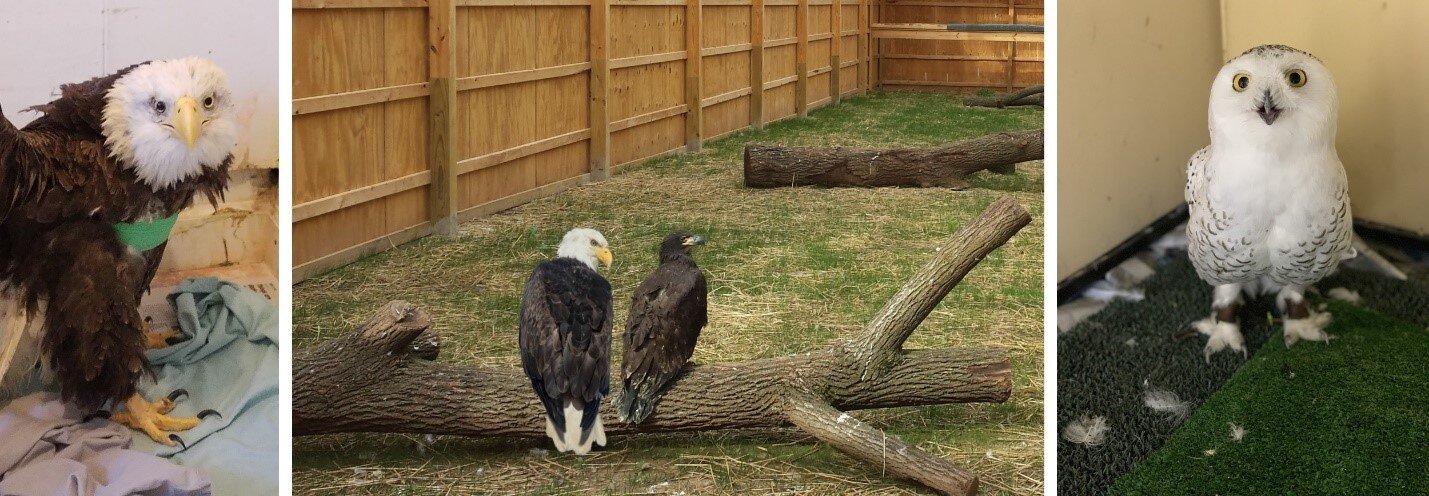
Varying in size and mission, beneficiaries include places like the Red Creek Wildlife Center in Schuylkill Haven, PA, where a 100-foot flight enclosure allows eagles, osprey and other large birds of prey to heal and prepare to fly again. Liberty Wildlife in Phoenix, AZ has been able to rehabilitate a record number of wildlife over the last several years thanks to new enclosures, repairs, and quality of care improvements made possible through the support of the Foundation and Avangrid Renewables. The WPP team is also “hands-on” with many grantees, supporting environmental education, volunteer and internship programs, and enhanced outreach, among others.
Many of the partnerships established through this program have spanned multiple years, deepening our collaboration and collective ability to make real positive impact for the good of the animals and our environment.
Here are some additional highlights from the latest round of funding:
Hawks Aloft, an avian research, conservation, and rescue organization in New Mexico, received funding to support their volunteer-based Raptor Rescue Program and a new incubator to help baby raptors grow. In addition to rescue, Hawks Aloft has worked closely with nearby Route 66 Elementary School to provide ‘Living with the Landscape’ programming, engaging and educating roughly 400 students and teachers in avian conservation through multiple classroom visits, a field trip, and a hands-on conservation project. In classroom sessions, Hawks Aloft educators are accompanied by live, non-releasable raptors who provide an interactive experience and help bring the educational topics to life.
At Wildlife Works in Youngwood, PA, the grant allowed the organization to upgrade its technology and set up remote monitoring capabilities, reducing stress on its avian patients while ensuring they remain safe and sound around the clock. Plus, this feature doubles as an educational tool for Wildlife Works, enabling visitors to view the rehabilitating raptors in real time through a monitor in the front lobby! In previous years, Foundation funding has helped purchase a tractor, reducing time and manual labor spent on upkeep and maintenance and allowing Wildlife Works to focus on what matters most – the care and recovery of its birds.
“It was a ‘match made in heaven’ for Wildlife Works and AVANGRID to join together to support wildlife welfare. The relationship has been beyond positive, and AVANGRID has been instrumental in helping Wildlife Works to improve our facilities and provide optimum care through the upgrades we have been able to achieve through the wildlife partnership grant program.”
—Beth Shoaf, Founder and Executive Director – Wildlife Works
In 2020, the Foundation is committed to continuing to work with organizations near Renewables infrastructure and plans to expand funding opportunities to organizations regardless of location. Just as the WPP program benefits all kinds of wildlife, including big horn sheep, bears and the desert tortoise, the Foundation is expanding its reach in 2020 to include endangered raptors and shore birds.
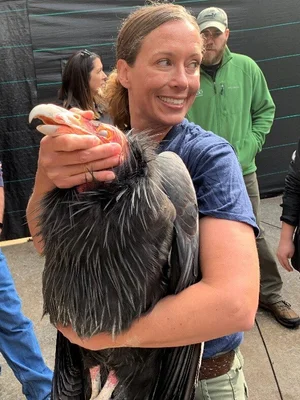
Outside of WPP, the Foundation and Renewables also join forces with the Oregon Zoo on its California Condor Recovery Program. The California condor (“Thunderbird”) is an iconic bird – with a wingspan of up to 10 feet, the largest land bird in North America – and one of the most endangered. Its population dwindled to just 27 in the 1980s due to habitat loss, poaching, and lead poisoning. With the help of committed partners like the Foundation, the Zoo has been able to ensure a stable food supply for more condors and nestlings, boosting the species population back up to 500 – and rising. Funding specifically went to critical equipment purchase to expand and sustain program operations. Read more about the condors here.
We are excited to know that the first baby chicks have started hatching this year! The first eggs of 2020 arrived at the Zoo’s Jonsson Center for Wildlife Conservation in February. There are a record 14 condor pairs at the center this year – maximizing the chances for more eggs and more chicks. In March, the first chick arrived. It will stay with its mom for at least 8 months, before transitioning to pre-release pens for around a year and a half. After this, the chick will then be able to join free-flying condors across the Southwest. The Zoo expects to welcome more chicks in the coming weeks!
“When it comes to wildlife, we have a vested interest in things that fly – birds, bats, butterflies – and these series of grants allow the Foundation to reach institutions and grassroots organizations doing the important work that ranges from rescue and hand-rehabilitation to research and breeding programs for at-risk species. We are lucky to work with these organizations and individuals who are champions of some of this country’s most iconic and majestic of creatures, ensuring another generation of Americans appreciates wildlife protection in our collective health, wellness and sustainability.”
—Nicole Licata Grant, Director – Avangrid Foundation
MAKING BATS OUR BFF
The Foundation is currently in its third year of a four-year, $1 million partnership with the National Fish and Wildlife Foundation, the nation’s largest private conservation grant-maker. Through this partnership, the Foundation makes a significant contribution to efforts that enhance the protection of critical species and habitats which benefit the diverse areas within AVANGRID’s operational footprint.
In particular, our pioneering role in the Bats for the Future Fund (BFF) has helped bat populations across the U.S. combat white-nose syndrome. WNS is responsible for the deaths of over 6 million bats over the last decade. It is caused by a fungus that attacks bats while they hibernate and has spread rapidly across North America. First detected in New York in 2006, WNS has now been confirmed in 34 states and 7 Canadian provinces. Mortality approaches 100% at some sites, and new cases emerge each year. Over half of bat species present in the U.S. and Canada hibernate to survive the winter, leaving them potentially susceptible to the disease.
Bats play a critical role in controlling agricultural, forest and human pests, providing billions of dollars of value to agricultural industries every year. Without a solution, several bat species may be in danger of extinction.
The Bats for the Future Fund directly supports innovative, collaborative research advancing existing and novel field treatments and management tools with the greatest potential for positive outcomes.
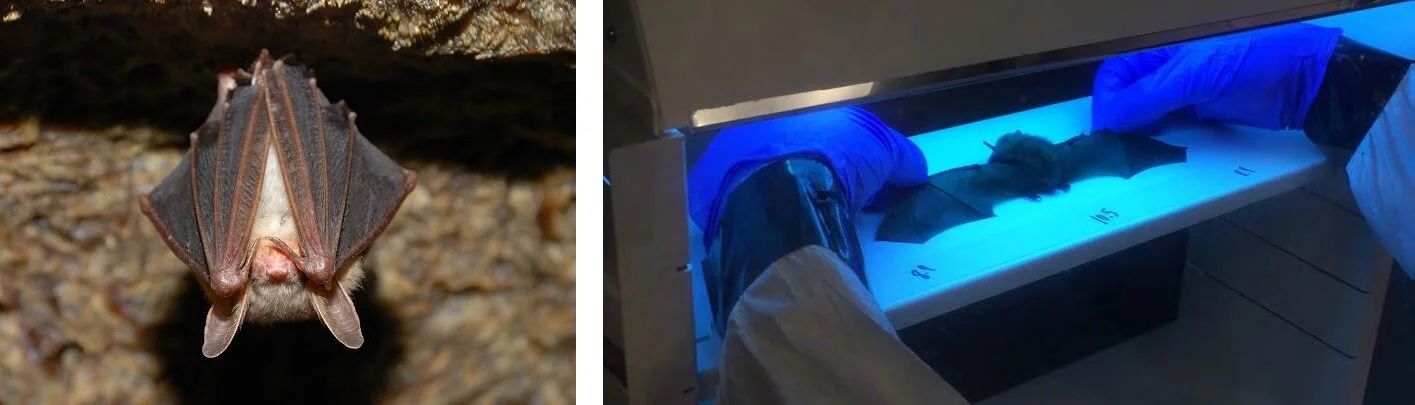
Two initial rounds of grants were issued in October 2017 and 2018, totaling over $2.4 million of support for bat conservation and survival. In March, NFWF awarded over $546,000 in grants to three projects aimed at testing strategies and environmental treatments to help affected populations rebound and prevent new infections.
The first project, undertaken by Temple University, will test the effectiveness of a non-toxic polyethylene glycol treatment at 3 trial sites and assess its effect on non-targeted flora and fauna to ensure its use is not damaging to other vital parts of the ecosystem. In doing so, Temple hopes to reduce the fungal infection rate by 50%. A second initiative led by Bat Conservation International aims to improve bat survival by concentrating food supply around hibernation period, helping the bats build up critical fat reserves. The goal here is to reduce the mortality rate from 71% at chosen sites to 30%. The third recipient, Kennesaw State University, will also aim to increase survivorship through integrated disease management and fumigation of impacted sites.
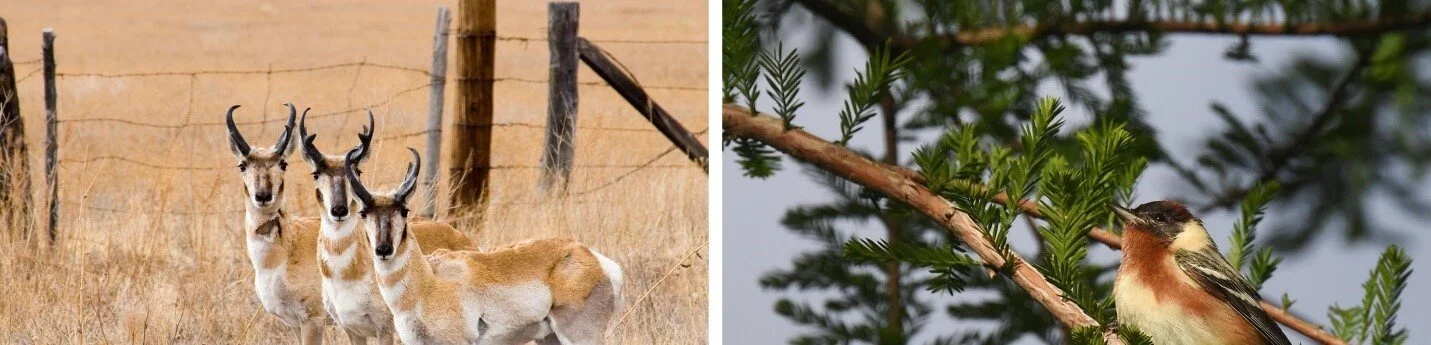
In collaboration with NFWF, the Foundation also provides funding to support fish and migratory forest birds in the Northeast and grassland-dependent birds and mammals in the Northern Great Plains. Together, these two funds have awarded nearly $5 million over the last year to conservation and restoration efforts benefiting a wide variety of species. These awards were supplemented by matching contributions for a total impact topping $12 million.
The Avangrid Foundation is committed to sustainable development and being dynamic stewards of our communities and environment in accordance with the U.N. Sustainable Development Goals, and in partnership with experts at the local and national levels.
This action supports: